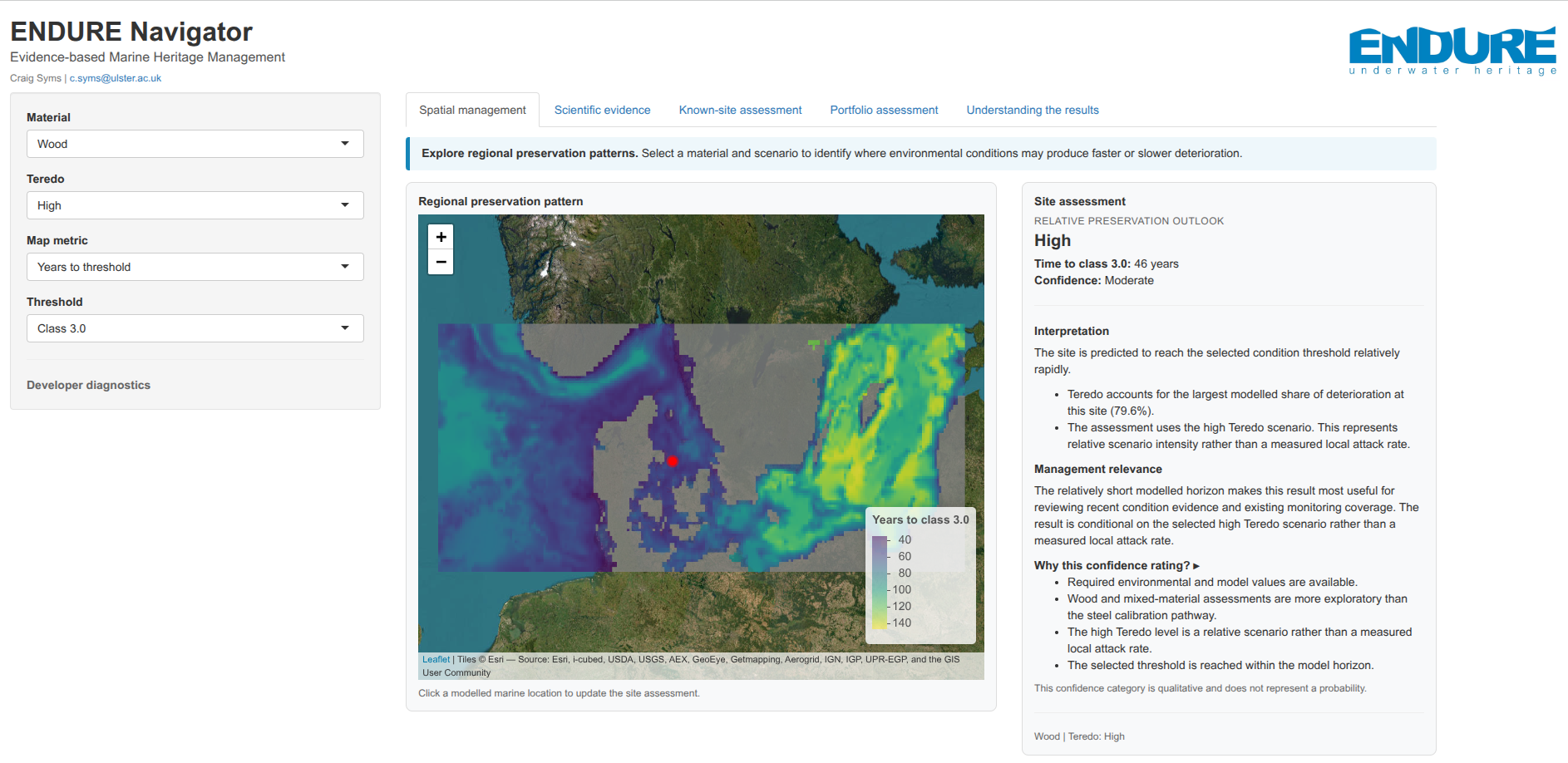
Underwater heritage risk and decision support
How can environmental conditions, archaeological evidence and structural state be combined to understand how shipwrecks may change through time?
Field observations, experiments and environmental data rarely tell the whole story on their own. Understanding comes from bringing the right evidence together around the problem.
Different problems require different combinations of field observation, experimental design, modelling and analysis.
How can environmental conditions, archaeological evidence and structural state be combined to understand how shipwrecks may change through time?
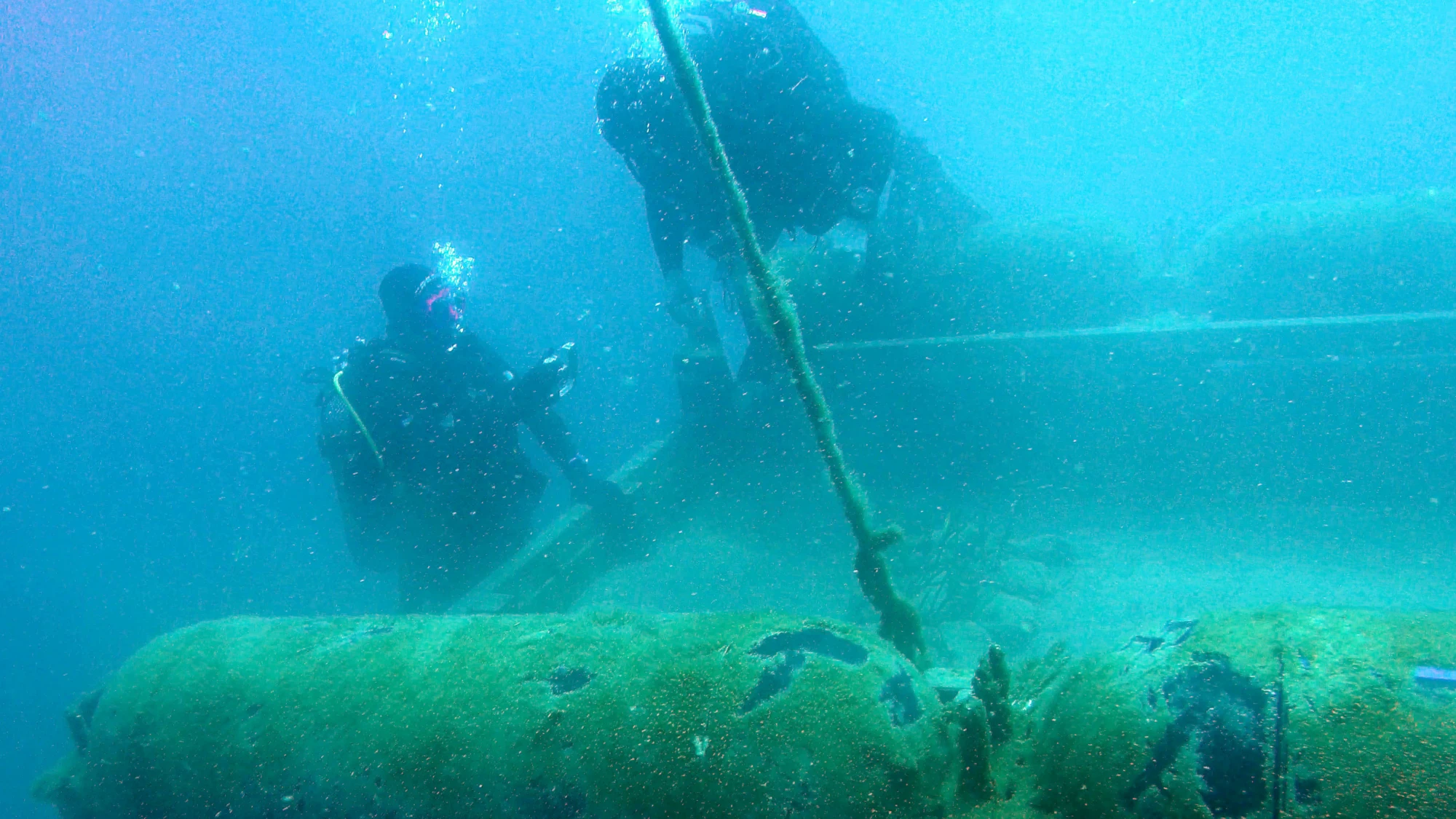
Can the vulnerable establishment stage of restoration be separated from transplantation by cultivating seagrass in suspended underwater nurseries?
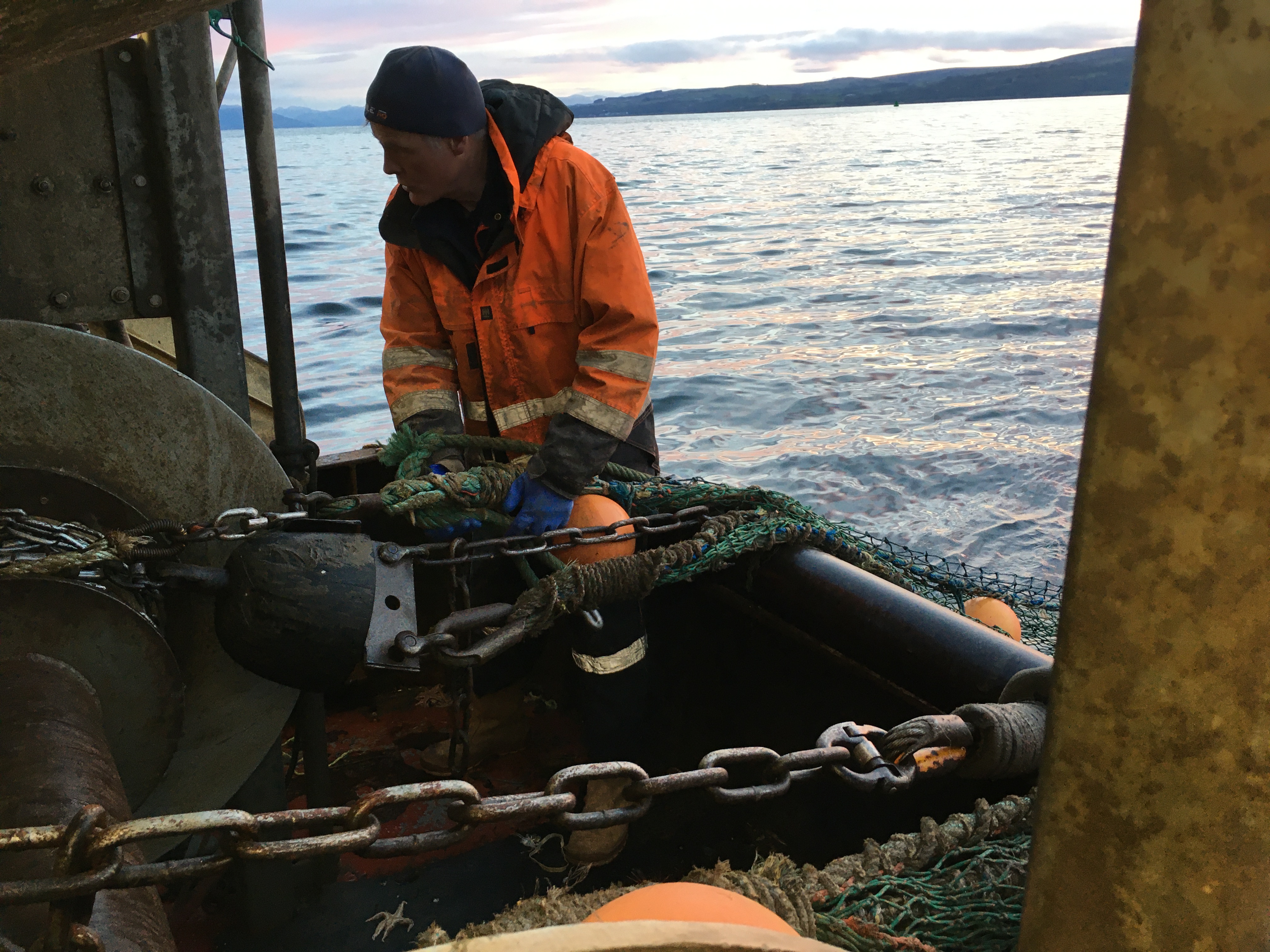
What happens when an apparently sensible fisheries technology does not work — and underwater observation reveals a better engineering approach?
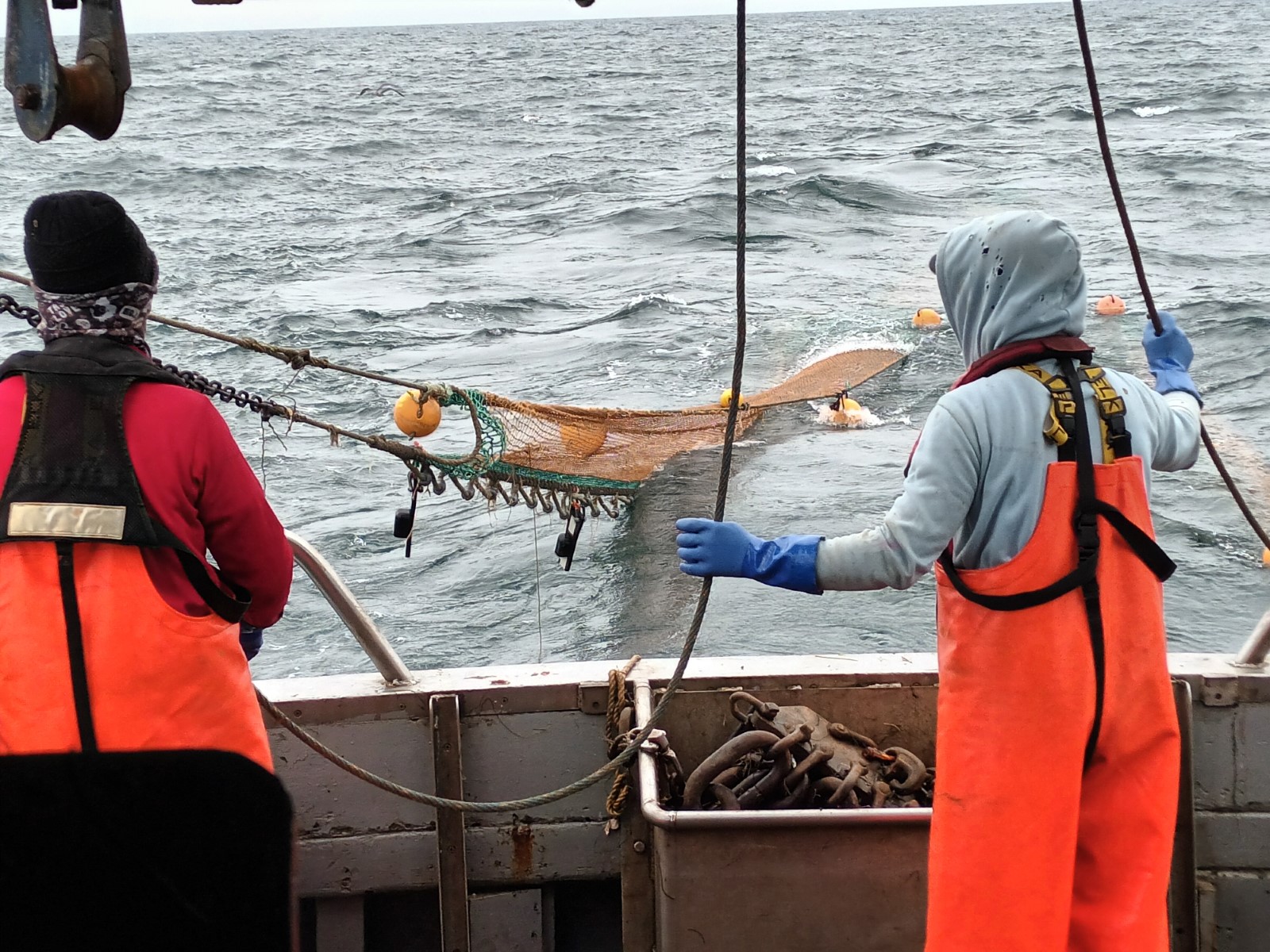
How do you distinguish the physical effects of commercial bottom trawling from a seabed that is already changing?
The methods change with the problem. What matters is understanding the system, testing the evidence, and following where it leads.
Start by defining the problem, not choosing the method. What is known? What is uncertain? What processes matter, and what can the available evidence actually resolve?
Use the evidence the problem demands: field experiments, direct observation, environmental data, statistical models or mechanistic reasoning. Competing explanations and assumptions should be tested rather than simply accommodated.
Analysis is not always the endpoint. The result may need to improve understanding, change an experimental or engineering design, guide monitoring, or support a practical decision.
Craig Syms
Ecological Analytics is my independent research and consultancy work.
My background is in marine ecology, fisheries and quantitative science, with more recent work extending into environmental modelling, technology development and decision-support systems.
I have worked across academic research, commercial R&D and applied environmental projects, often on problems that do not fit neatly within a single discipline. That breadth is reflected in the work presented here.
If one of these projects overlaps with a problem you are working on, get in touch.